Serving Birmingham & nearby
Generator Installation Vestavia Hills AL in Birmingham
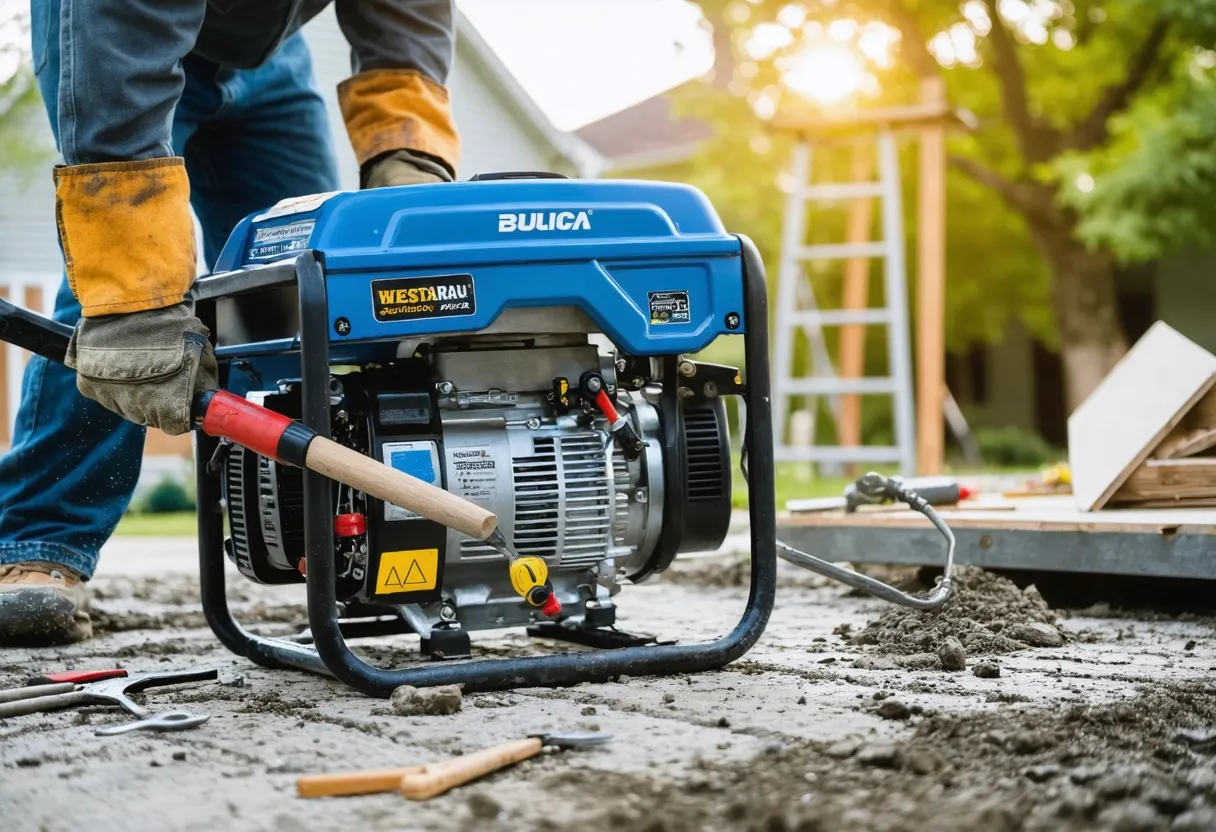
Generator installation in Vestavia Hills, AL means one thing when the power goes out during a Central Alabama storm: your lights, your HVAC, your refrigerator, and your sump pump keep running while the rest of the block is dark. Before you book a consultation, you deserve to see what a properly sized standby system actually costs installed in Jefferson County, what financing looks like in plain language, and how much outage risk this region really carries — all published up front, not walked back to you after a sales visit. That's the approach this page takes.
Central Alabama sits squarely in a severe storm and high-wind corridor, with damaging thunderstorm and straight-line wind events concentrated in spring and again in late fall. Extended outages tied to these systems are a normal part of owning a home here, not a rare exception. A whole-home or partial-home standby generator is the only way to guarantee your household keeps functioning through one of those outages instead of waiting on a utility crew.
Why Vestavia Hills Homeowners Are Installing Standby Generators
A portable generator dragged out of the garage after the power fails is better than nothing, but it's a poor substitute for a properly installed whole-home generator installation. Portable units require you to be home, awake, and willing to run extension cords and refuel a hot engine every few hours — often in the middle of a storm, in the dark. A permanently installed standby generator is wired directly into your electrical panel through an automatic transfer switch, starts itself within seconds of a utility failure, and runs on your home's existing natural gas or propane line, so there's no fuel to store or haul.
The safety case is just as important as the convenience case. Portable generators are the leading cause of generator-related carbon monoxide deaths because people run them too close to the house or inside a garage. Standby units are installed outdoors, at code-required clearances, with weatherproof enclosures engineered for exactly that purpose. A correctly installed automatic transfer switch also eliminates backfeed risk — the dangerous scenario where a generator sends power back through the grid and endangers utility line workers. That protection only exists if the transfer switch is installed and permitted correctly, which is why the installation process matters as much as the generator itself.
Beyond storms, a standby generator protects the things that fail quietly and expensively when power drops for more than a few hours: a sump pump that stops during heavy rain, a refrigerator and freezer full of food, a well pump, medical equipment, and home offices that can't afford a multi-hour outage in the middle of a workday.
What a Professional Installation Actually Includes
"Generator installation" covers more ground than just bolting a unit to a pad. A complete installation in Vestavia Hills should include the following stages, each of which affects both performance and cost:
1. Load Analysis
Before anyone recommends a generator size, a proper installer walks your electrical panel and inventories what needs to run during an outage: HVAC (including any heat pump or electric furnace draw), well or sump pump, refrigerators and freezers, garage door openers, and any medical or home-office equipment. This determines whether you need a system sized for the whole house or a managed partial-home setup that covers your essential circuits.
2. Generator Sizing
Sizing is a calculation, not a guess. An undersized unit will trip on startup surge from an air conditioner compressor or well pump; an oversized unit costs more up front and burns fuel inefficiently. Reputable installers size in kilowatts based on your actual panel load, not a flat "one size fits every house" recommendation. This is also where load management modules come in — devices that let a smaller, less expensive generator support your whole panel by intelligently shedding non-essential circuits during peak draw.
3. Transfer Switch Integration
The automatic transfer switch (ATS) is the component that senses a utility outage, disconnects your home from the grid, and starts the generator — typically within 10-20 seconds. It also switches back automatically once utility power is restored. This is the single most safety-critical part of the installation, and it's the part that separates a licensed electrical installation from a handyman job.
4. Code Compliance and Permitting
Standby generators in Jefferson County require an electrical permit, and gas-fed units require gas permitting as well, both followed by inspection. Compliant installations also account for required clearances from windows, doors, and property lines, sound ordinances, and manufacturer-specified pad or mounting requirements. Skipping permitting is a common way homeowners end up with an uninsurable installation or a failed inspection when they eventually sell the home.
Once the unit is set, connected, and inspected, a startup and commissioning test confirms the whole system — transfer switch, fuel supply, and generator — performs correctly under simulated outage conditions before the installer leaves.
What Drives Installed Cost in Vestavia Hills and Jefferson County
Generator pricing gets murky fast when quotes bundle everything into one number. An itemized quote should separate these cost drivers so you can see exactly what you're paying for:
- Generator size (kW output): Larger units cost more both in equipment and in the electrical work needed to support them.
- Panel and electrical work: Older homes or panels needing upgrades, sub-panel additions, or dedicated circuits for load management add labor hours.
- Transfer switch type: Service-rated automatic transfer switches cost more than basic models but are required for larger systems and offer more flexibility.
- Fuel line and gas work: Running or upsizing a gas line from your meter to the generator pad is often quoted separately by a licensed gas contractor.
- Concrete pad or mounting: Site prep, grading, and pad installation vary based on where the unit sits relative to your gas meter and electrical service.
- Permitting and inspection fees: Set by Jefferson County and applicable municipal authorities, these are a fixed but necessary line item.
- Site-specific factors: Distance between the electrical panel and the ideal generator location, slope of the yard, and existing panel capacity all affect labor.
For a full breakdown of typical price ranges by generator size and home type, see our generator installation cost guide for the Birmingham area. Getting an itemized quote — not a single bundled number — is the best way to compare bids fairly and avoid surprise add-ons after the crew has already started digging.
Financing a Standby Generator
A standby generator is a major home system purchase, on the order of a new HVAC unit, and most homeowners don't pay the full installed cost in cash. Reputable installers typically offer several financing structures:
- Fixed monthly-payment plans that spread the installed cost over a set term, letting you budget a predictable monthly amount instead of one large upfront payment.
- Promotional low- or zero-interest periods for qualified buyers, useful if you plan to pay down the balance quickly.
- Home equity or HELOC financing for homeowners who prefer to fold the purchase into an existing equity line rather than a separate loan product.
Before signing anything, ask for the total cost of financing (not just the monthly payment), whether there's a prepayment penalty, and whether the rate is fixed for the full term. A transparent installer will walk through these numbers with you before the sales conversation, not after.
Licensing, Credentials, and Why They Matter
Generator installation combines electrical work, gas work, and sometimes structural/concrete work — which means the installer needs more than a truck and a generator brochure. When you're evaluating installers in the Vestavia Hills area, confirm the following before signing a contract:
- Current Alabama state electrical licensing for whoever is performing the panel and transfer switch wiring.
- Manufacturer factory certification — for Generac systems specifically, look for dealers who carry recognized program status such as Elite or Elite Plus dealer tiers, which indicate factory-trained technicians and direct access to warranty support rather than a third-party subcontractor relationship.
- Proper insurance and bonding, so you're not personally liable if something goes wrong on your property during installation.
- Local permitting history — an installer who regularly pulls permits in Jefferson County will know the inspection process and won't leave you to navigate it alone.
For homeowners specifically considering the Generac product line, our Generac generator installation guide for Birmingham covers model tiers, factory warranty structure, and how Generac's dealer certification levels differ.
Maintenance Plans and Membership Tiers
A standby generator is a small engine sitting outside in Alabama heat and humidity year-round, and like any engine, it needs scheduled service to start reliably when you actually need it. Most installers offer tiered maintenance plans that typically include:
- Scheduled oil, filter, and spark plug changes on a manufacturer-recommended interval.
- Battery testing and replacement, since a dead start battery is one of the most common reasons a standby generator fails to start during an outage.
- Coolant and belt inspection on liquid-cooled models.
- Remote monitoring enrollment, where available, so both you and your service provider get an alert if the unit fails a self-test or loses signal.
- Priority emergency scheduling for plan members during high-demand storm periods, when non-plan customers may face longer wait times.
Higher membership tiers generally add more visits per year, discounted repair labor, and parts coverage beyond the standard manufacturer warranty. Given how often standby generators sit idle between actual outages, a maintenance plan is what turns "installed" into "will actually start when the power drops."
Generator Repair and Troubleshooting
Even a well-maintained generator can develop issues, and troubleshooting a standby unit is not a DIY project — these systems combine high-voltage electrical components with pressurized fuel lines. Common issues a qualified technician handles include:
- Failure to start: Most often a dead or weak battery, a closed fuel valve, or a tripped control board fault that needs to be diagnosed and reset.
- Transfer switch faults: If the ATS doesn't sense an outage or fails to switch, your generator can run perfectly and your house still won't get power.
- Nuisance shutdowns: Often tied to low oil sensors, overload conditions from an undersized unit, or a failing sensor rather than an actual mechanical problem.
- Weekly self-test failures: Most standby generators run a brief self-test on a schedule; a failed test is an early warning sign worth investigating before the next real outage, not after.
If your existing generator — regardless of who installed it — is throwing fault codes, failing its self-test, or simply not starting, a same-system diagnostic visit is almost always faster and cheaper than replacing the unit outright.
Warranty and Satisfaction Guarantee
Standby generators carry a manufacturer's warranty covering the generator itself, separate from any workmanship warranty the installer provides on the labor and electrical work. When comparing installers, ask specifically:
- What does the manufacturer's warranty cover, and for how long?
- Is there an option to extend manufacturer coverage beyond the standard term?
- What does the installer separately guarantee on their own labor — the electrical connections, transfer switch wiring, and gas line work?
- Is registration of the warranty handled by the installer at the time of installation, or is that left to you?
A transparent installer puts these terms in writing before installation day, not verbally during the sales pitch.
24/7 Emergency Availability
Storms in Central Alabama don't wait for business hours, and neither should generator service. When you're choosing an installer, ask directly whether emergency repair and troubleshooting support is available outside standard hours, and how that's staffed — a live technician versus an answering service that calls back the next morning is a meaningful difference when your generator fails to start during an active outage.
Service Area: Vestavia Hills and the Surrounding Birmingham Suburbs
Vestavia Hills homeowners are part of a broader Birmingham-metro market where standby generator demand has grown alongside recurring severe weather seasons. Installers serving Vestavia Hills typically cover the surrounding communities as well, including Mountain Brook, Homewood, Hoover, and Pelham — which matters if you're comparing quotes, since an installer already running regular jobs across these neighboring suburbs will have more familiarity with permitting timelines and inspection requirements across Jefferson and Shelby County lines than one who rarely works in the area.
If you're researching options for your home, start with our Birmingham generator installation home page for an overview of service across the metro, or go straight to the whole-home installation page if you already know you want full-panel coverage rather than a partial/essential-circuits setup.
How to Choose an Installer — Beyond the Lowest Bid
The cheapest quote is rarely the cheapest generator over its lifespan. When comparing installers, weigh:
- Itemization: Does the quote break out generator cost, electrical labor, gas work, pad/site work, and permitting separately, or is it one lump number you can't audit?
- Licensing and certification: Verify state electrical licensing and, for Generac systems, factory dealer certification tier directly rather than taking a sales rep's word for it.
- Reputation: Look up independent reviews on Google, the Better Business Bureau, or Angi rather than relying solely on testimonials curated on a company's own website. A provider confident in their work will point you toward third-party review platforms, not just hand-picked quotes.
- Response commitments: Ask what happens, specifically, if your generator fails to start during a storm — who do you call, and what's the actual response window?
- Maintenance plan structure: Confirm what's included at each membership tier and what repairs fall outside of it.
Get Your Itemized Quote
Free, no-obligation pricing broken down line by line — no pressure to decide today.
More generator installation services
Don't Wait for the Next Outage
Get an itemized generator quote now and be ready before Central Alabama's next storm season hits.